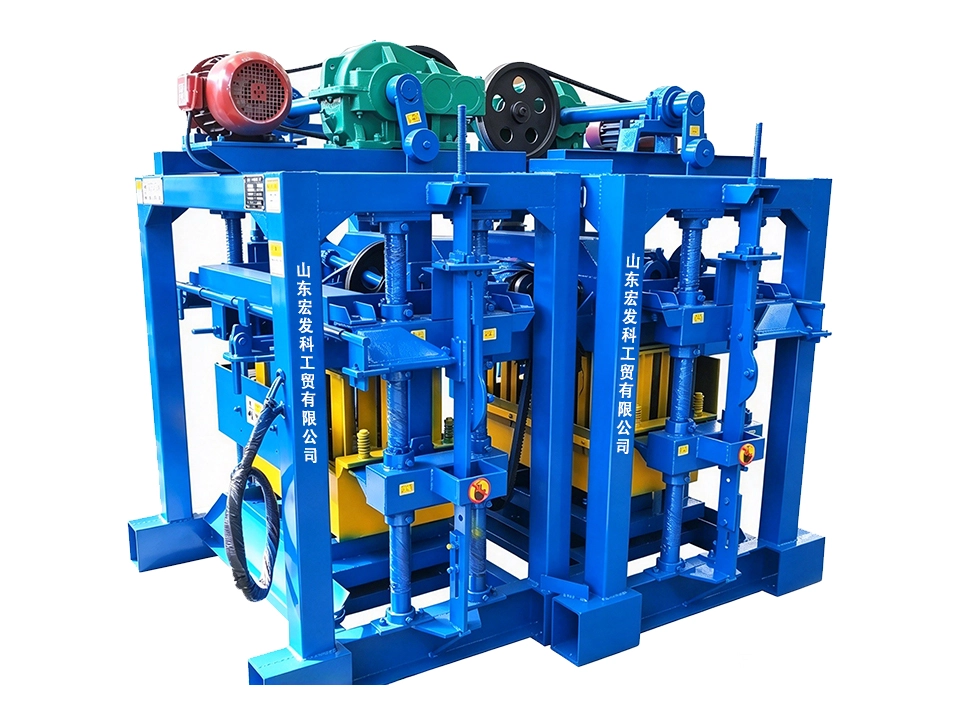
1. Combined Upper‑lower Dual‑vibration, Well‑compacted Solid Bricks & Less Defect Loss
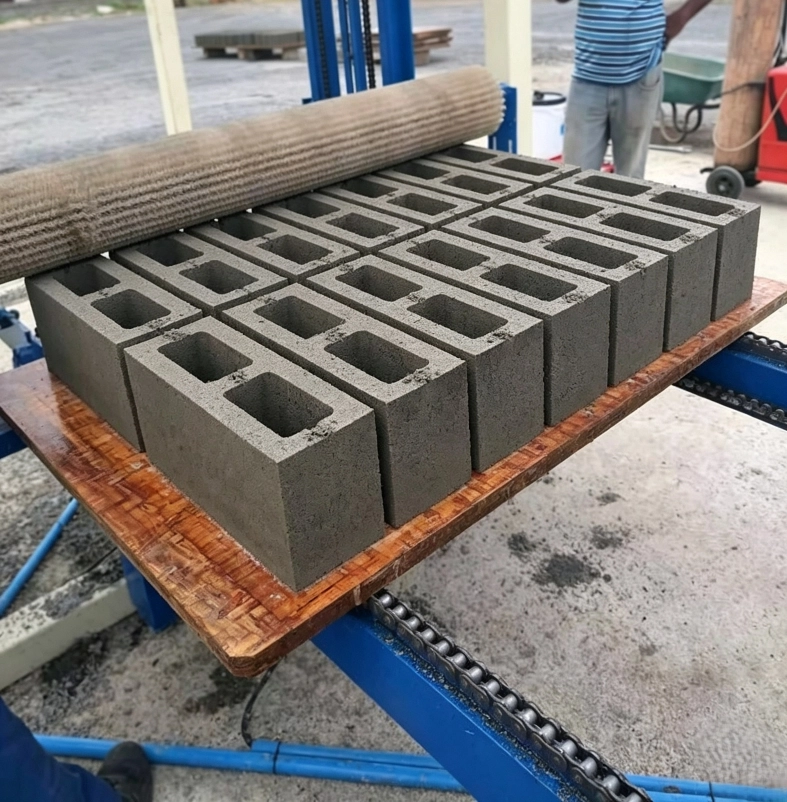
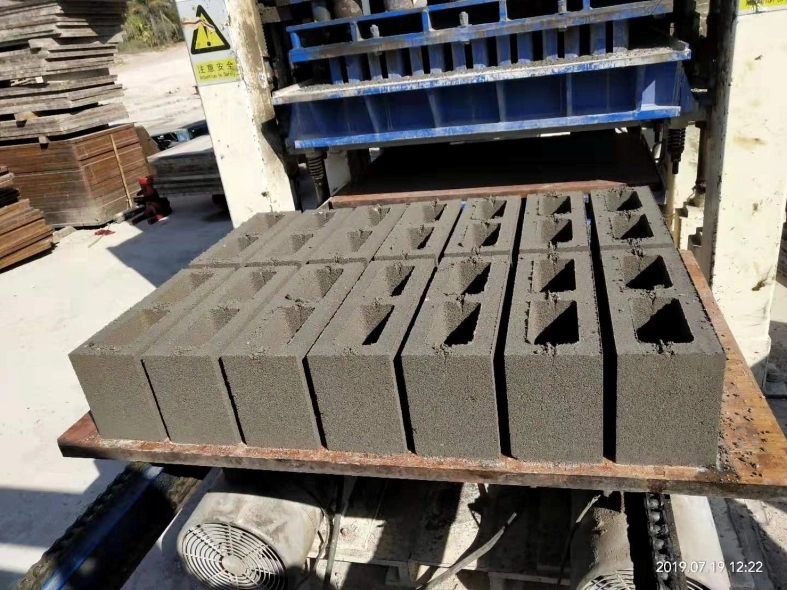
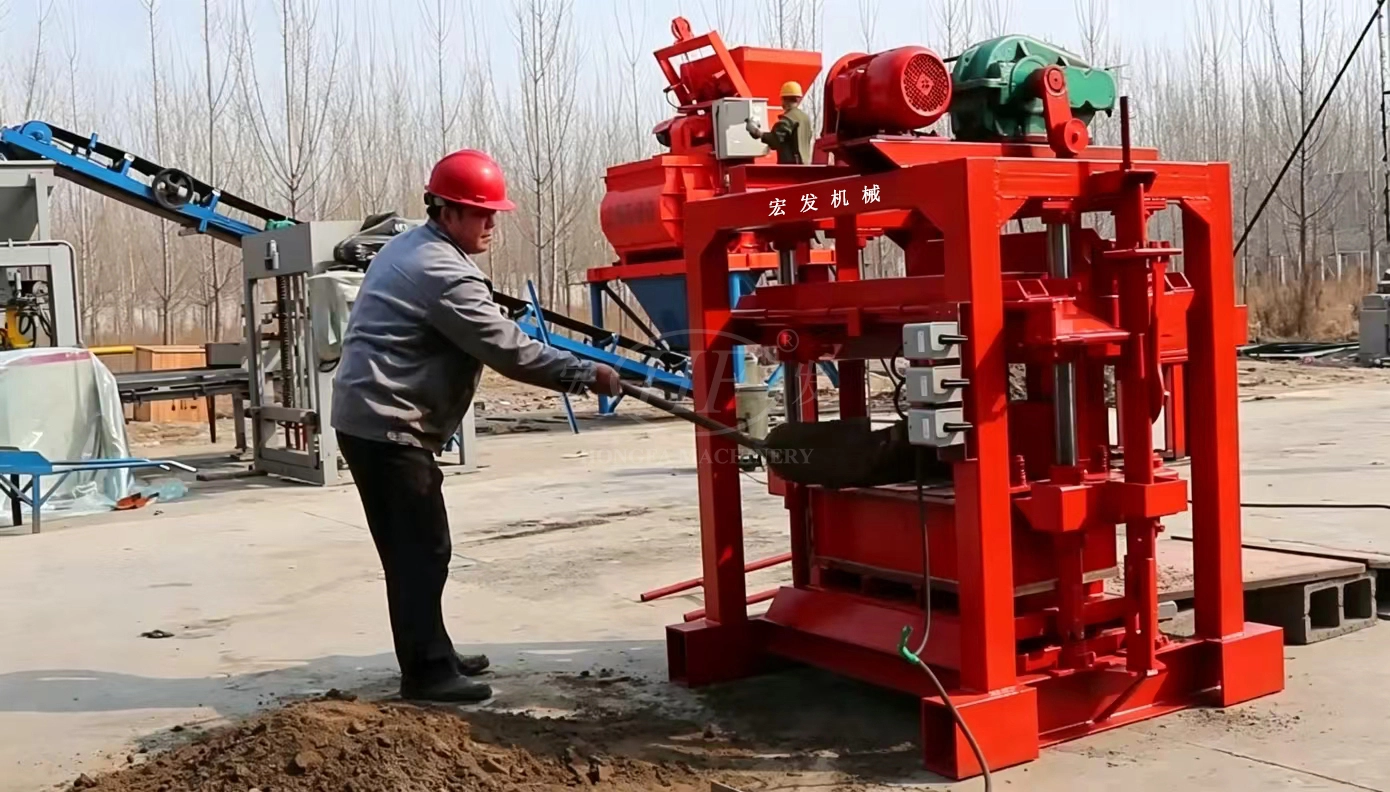
Thick solid brick blanks easily get loose inner core, cracking and chipped corners caused by single‑direction vibration. QTJ4‑40B2 is equipped with both lower and upper vibrators. Vibration works in feeding and forming phases to transfer full energy into thick brick blanks and fill mould cavities completely. Finished solid bricks feature uniform density and intact sharp edges. Stable compression strength and small dimensional deviation across batches reduce raw‑material waste from looseness, cracking and corner spalling. Bricks meet acceptance standards for residential and rural infrastructure projects. It helps you secure steady solid‑brick supply contracts and avoid financial loss caused by defective returns, protecting reputation for local and overseas customers.
2. 21 Pcs Per Mould High‑efficiency Output for Medium‑volume Solid‑brick Orders
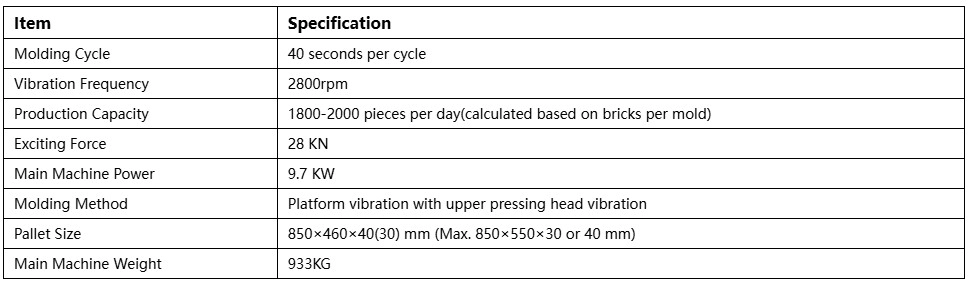
Optimized for 240×115×53 solid standard bricks, producing 21 bricks per mould within 40‑second cycle. It supports long‑time continuous running. Only 933 kg unit weight with compact footprint, no extra‑large workshop required. It can deliver stable output for concentrated solid‑brick procurement orders from rural housing and small‑medium building projects, guaranteeing on‑time delivery and avoiding contract penalty. It supports long‑term cooperation with local contractors and building‑material traders, perfectly matching brick plants with medium‑scale solid‑brick business.
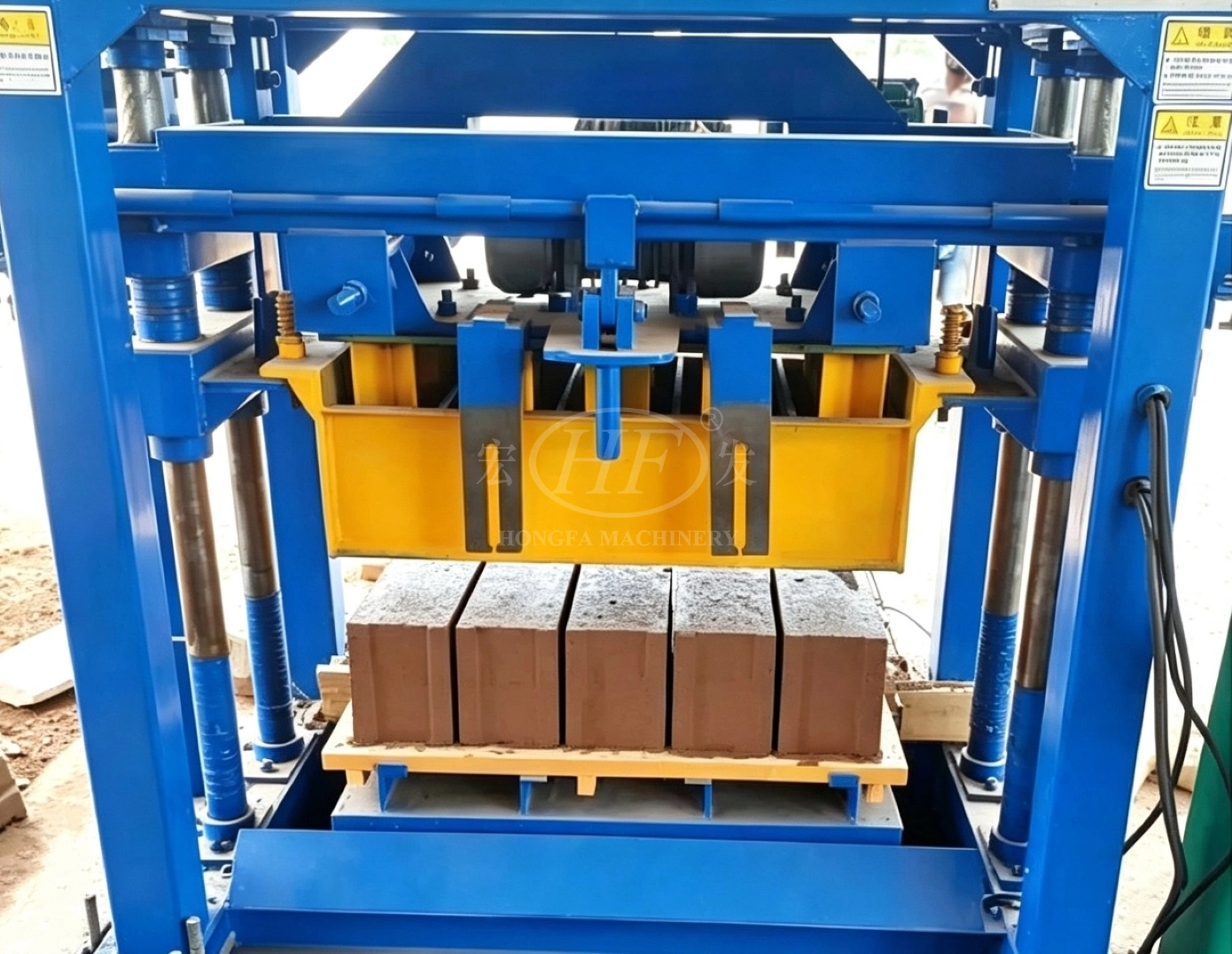
3. Gantry‑frame & Four‑pillar Guiding Structure, High‑positioning Accuracy & Long‑term Stability
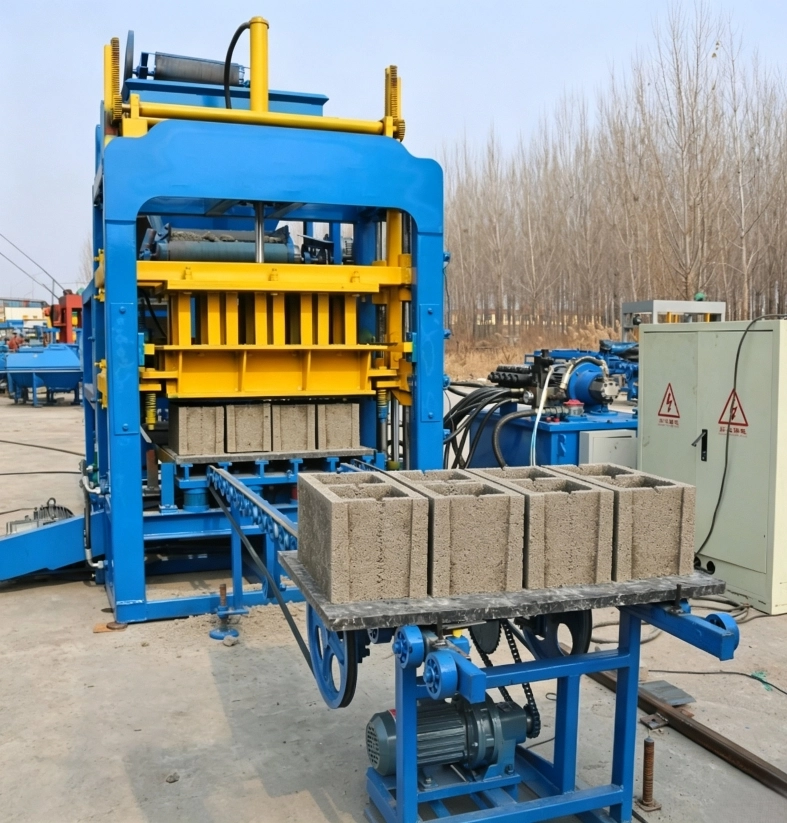
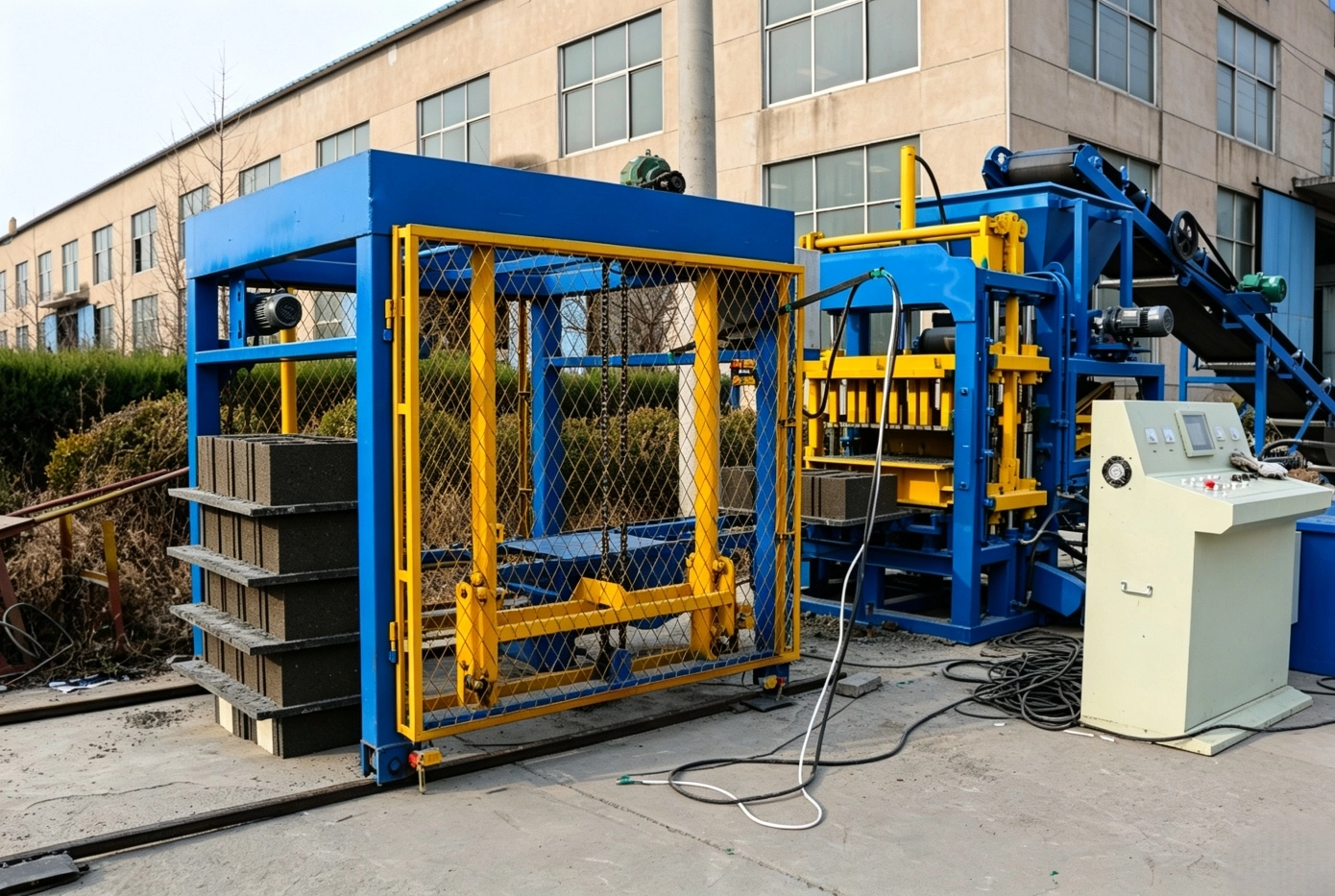
Heavy‑duty gantry‑type steel‑welded frame adopts four vertical guide shafts with wear‑resistant sliding sleeves. It restricts movement track of mould and pressure head precisely. Under high‑frequency heavy vibration cycles for solid‑brick production, it prevents mould offset and dislocation. The guiding mechanism reduces mould jamming and abnormal wear, extending mould service life. Less downtime and spare‑part cost from frequent mould repairing or replacement. It keeps consistent dimension for every batch of solid bricks and avoids large‑scale quality fluctuation.
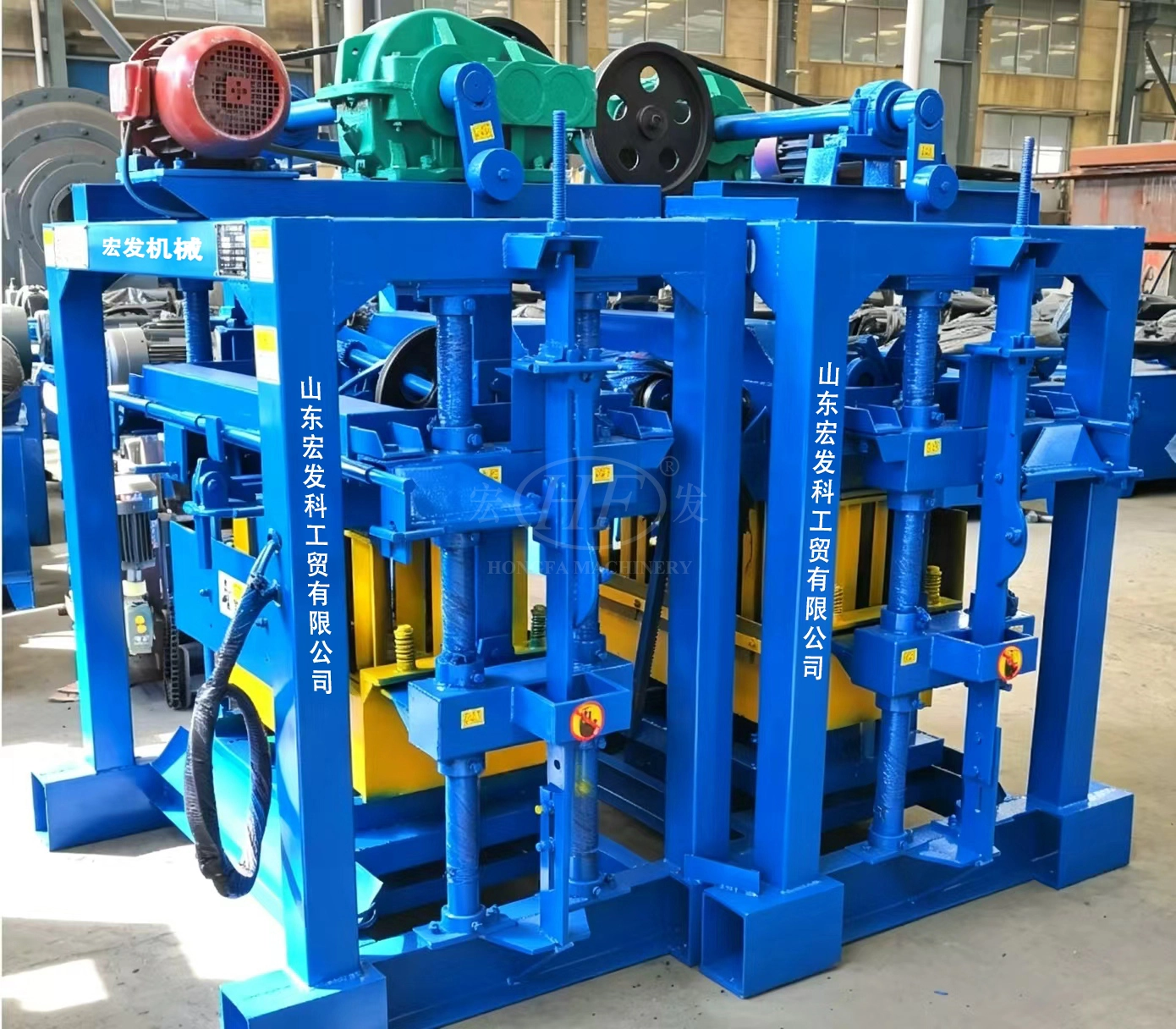
4. Quick‑detachable Adjustable Mould, Support Multiple Solid‑brick Specifications On‑one Machine
Positioning stand height is adjustable. Operators swap mould assemblies without major disassembly of main frame. Ordinary workers can finish replacement and height adjustment. Besides standard 240×115×53 bricks, it can produce solid blocks of other dimensions. There is no need to invest in multiple forming machines. You can quickly switch production for custom‑size solid‑brick orders. Amortize equipment investment, improve machine utilization rate, reduce idle downtime and expand your solid‑brick order sources.
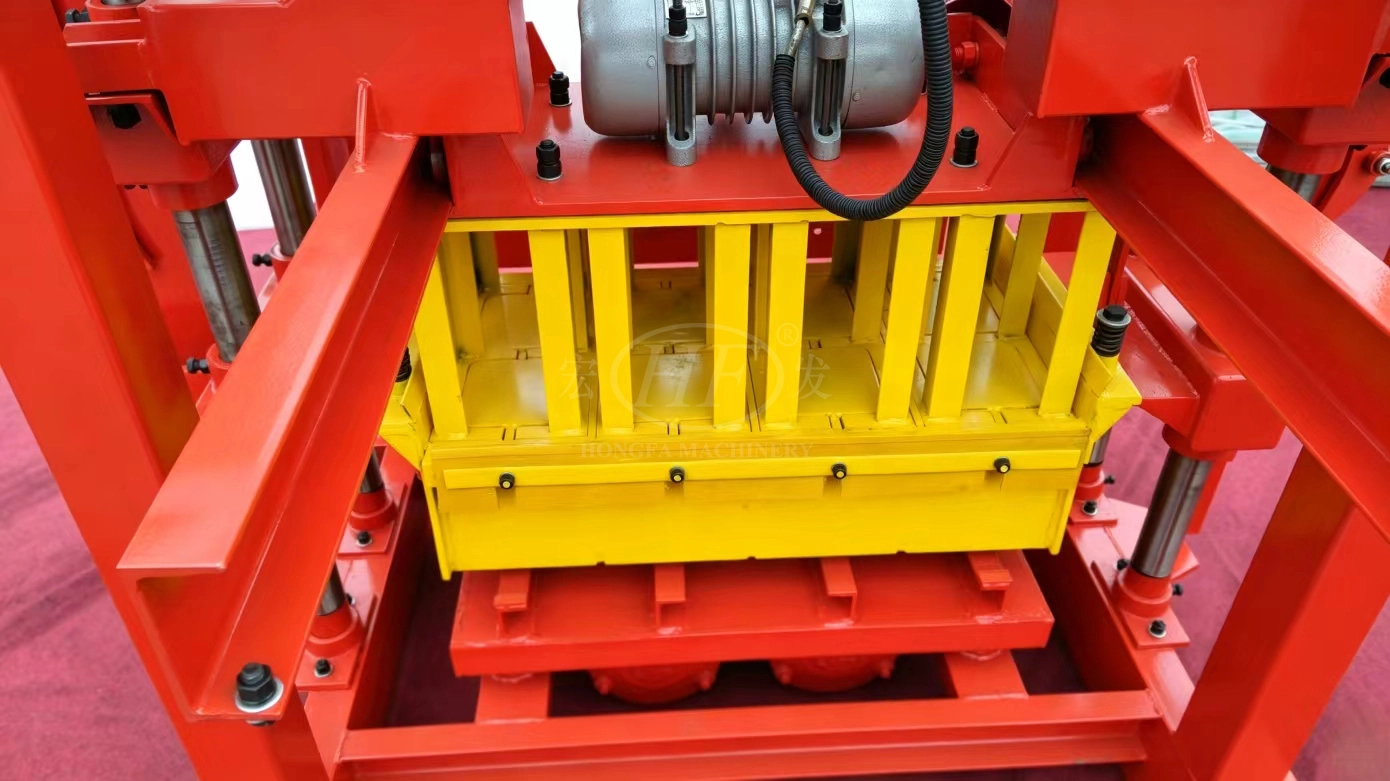
5. Broad Raw‑material Compatibility, Utilize Local Industrial Waste to Cut Raw‑material Expense
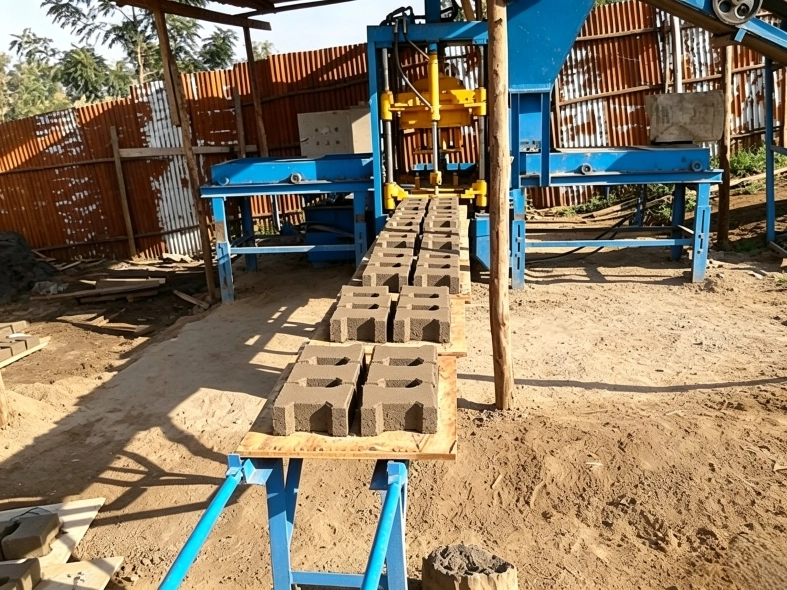
High‑grade river sand is not mandatory for solid‑brick manufacturing. Qualified solid bricks can be produced by mixing limited cement with crushed stone, stone dust, fly ash, slag and crushed brick residues. You can source affordable local quarry residues and industrial by‑products to cut long‑distance aggregate transportation cost. Stable production can be maintained even when premium sand becomes scarce or expensive. Lower comprehensive material cost brings bigger pricing flexibility, enabling you to win construction orders or keep decent profit margin.
6. Light‑weight Main Unit & Flexible Auxiliary Matching, Moderate Entry Threshold for New Investors
Only 933 kg main unit for convenient transportation and on‑site installation. Ordinary hardened concrete floor is acceptable without heavy special foundation. The host can run independently or cooperate with JQ350 mixer for simple production line. Auxiliary devices can be purchased step‑by‑step instead of one‑time full‑set investment. Up‑front capital and infrastructure pressure is well controlled. Solid‑brick production can be launched quickly after installation and basic operator training. It shortens the cycle from equipment purchase to profitable output, well‑suited for home workshops and newly‑established building‑material factories.
1. Combined Upper‑lower Dual‑vibration, Well‑compacted Solid Bricks & Less Defect Loss
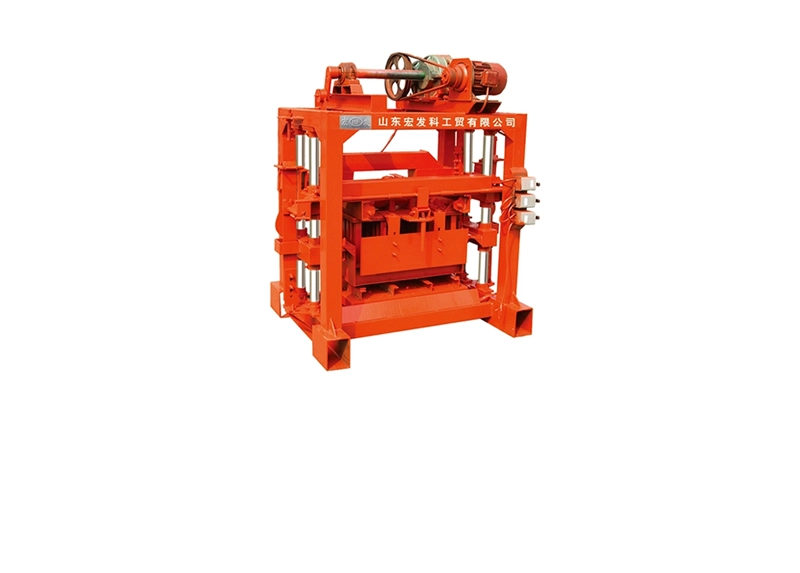
Thick solid brick blanks easily get loose inner core, cracking and chipped corners caused by single‑direction vibration. QTJ4‑40B2 is equipped with both lower and upper vibrators. Vibration works in feeding and forming phases to transfer full energy into thick brick blanks and fill mould cavities completely. Finished solid bricks feature uniform density and intact sharp edges. Stable compression strength and small dimensional deviation across batches reduce raw‑material waste from looseness, cracking and corner spalling. Bricks meet acceptance standards for residential and rural infrastructure projects. It helps you secure steady solid‑brick supply contracts and avoid financial loss caused by defective returns, protecting reputation for local and overseas customers.
2. 21 Pcs Per Mould High‑efficiency Output for Medium‑volume Solid‑brick Orders
Optimized for 240×115×53 solid standard bricks, producing 21 bricks per mould within 40‑second cycle. It supports long‑time continuous running. Only 933 kg unit weight with compact footprint, no extra‑large workshop required. It can deliver stable output for concentrated solid‑brick procurement orders from rural housing and small‑medium building projects, guaranteeing on‑time delivery and avoiding contract penalty. It supports long‑term cooperation with local contractors and building‑material traders, perfectly matching brick plants with medium‑scale solid‑brick business.
3. Gantry‑frame & Four‑pillar Guiding Structure, High‑positioning Accuracy & Long‑term Stability
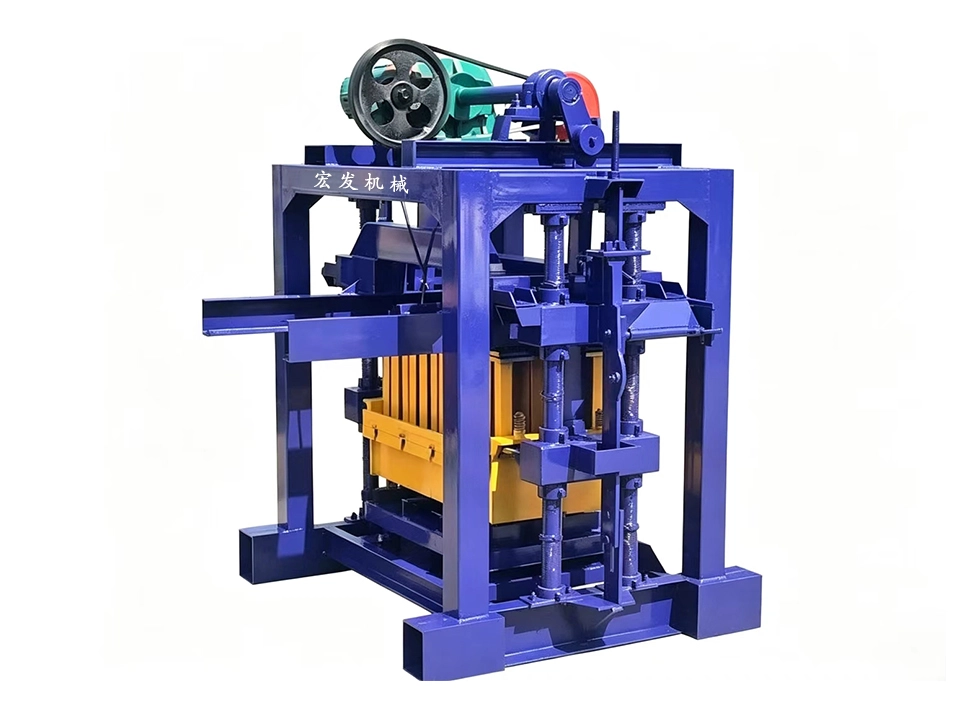
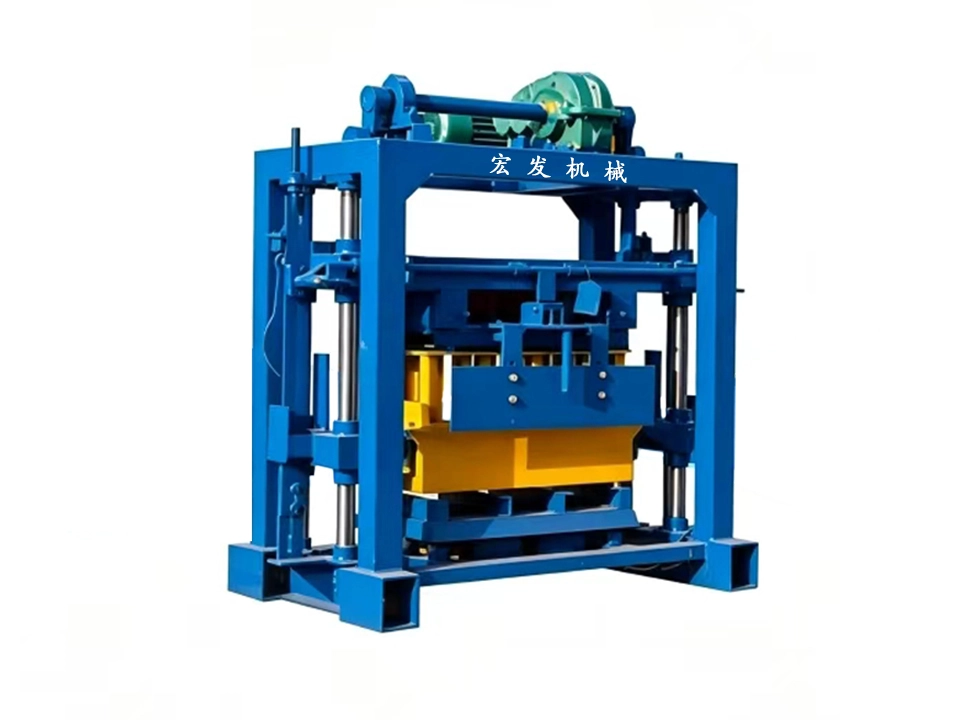
Heavy‑duty gantry‑type steel‑welded frame adopts four vertical guide shafts with wear‑resistant sliding sleeves. It restricts movement track of mould and pressure head precisely. Under high‑frequency heavy vibration cycles for solid‑brick production, it prevents mould offset and dislocation. The guiding mechanism reduces mould jamming and abnormal wear, extending mould service life. Less downtime and spare‑part cost from frequent mould repairing or replacement. It keeps consistent dimension for every batch of solid bricks and avoids large‑scale quality fluctuation.
4. Quick‑detachable Adjustable Mould, Support Multiple Solid‑brick Specifications On‑one Machine
Positioning stand height is adjustable. Operators swap mould assemblies without major disassembly of main frame. Ordinary workers can finish replacement and height adjustment. Besides standard 240×115×53 bricks, it can produce solid blocks of other dimensions. There is no need to invest in multiple forming machines. You can quickly switch production for custom‑size solid‑brick orders. Amortize equipment investment, improve machine utilization rate, reduce idle downtime and expand your solid‑brick order sources.
5. Broad Raw‑material Compatibility, Utilize Local Industrial Waste to Cut Raw‑material Expense
High‑grade river sand is not mandatory for solid‑brick manufacturing. Qualified solid bricks can be produced by mixing limited cement with crushed stone, stone dust, fly ash, slag and crushed brick residues. You can source affordable local quarry residues and industrial by‑products to cut long‑distance aggregate transportation cost. Stable production can be maintained even when premium sand becomes scarce or expensive. Lower comprehensive material cost brings bigger pricing flexibility, enabling you to win construction orders or keep decent profit margin.
6. Light‑weight Main Unit & Flexible Auxiliary Matching, Moderate Entry Threshold for New Investors
Only 933 kg main unit for convenient transportation and on‑site installation. Ordinary hardened concrete floor is acceptable without heavy special foundation. The host can run independently or cooperate with JQ350 mixer for simple production line. Auxiliary devices can be purchased step‑by‑step instead of one‑time full‑set investment. Up‑front capital and infrastructure pressure is well controlled. Solid‑brick production can be launched quickly after installation and basic operator training. It shortens the cycle from equipment purchase to profitable output, well‑suited for home workshops and newly‑established building‑material factories.

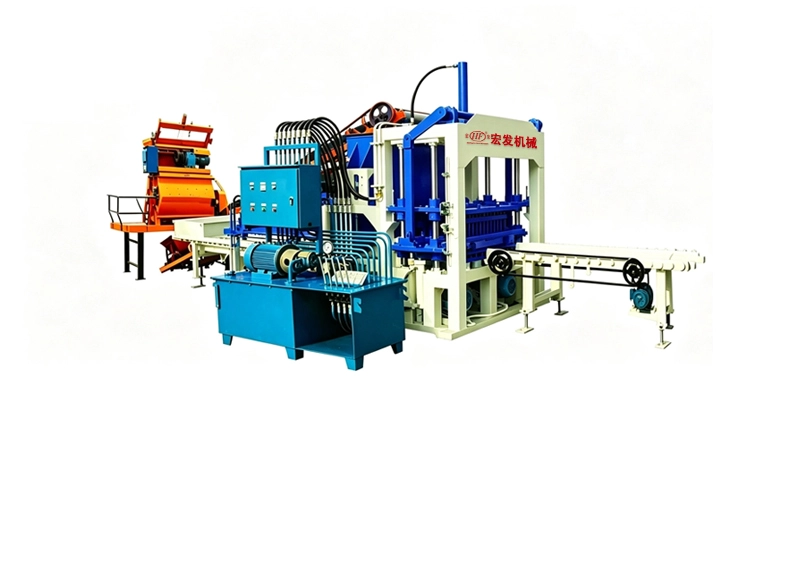 QT4‑20C Hydraulic Table‑Vibration Block Making Machine | High‑output Standard Solid Brick Concrete Block Forming Equipment
QT4‑20C hydraulic table‑vibration block forming machine is purpose‑built for mass‑production of standard solid bricks. W...

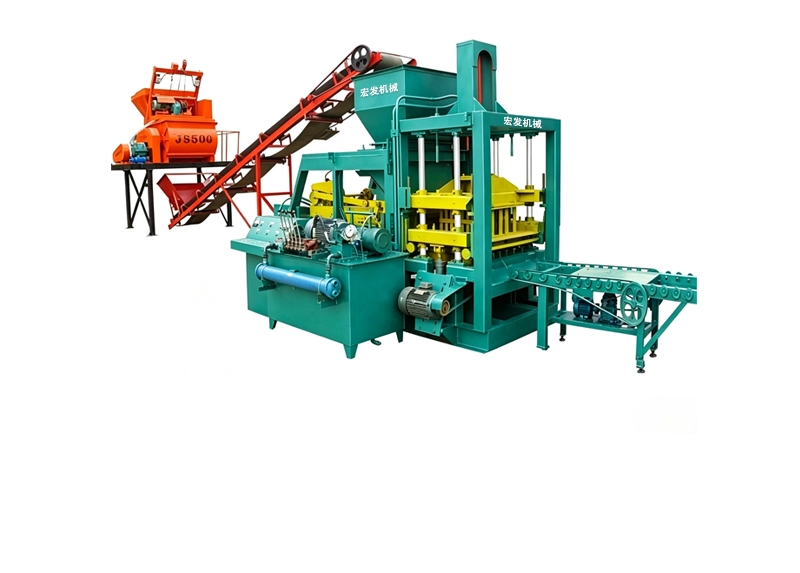 QT4‑20C Semi Automatic Block Making Machine | Hydraulic‑Vibration Non‑fired Concrete Brick Production Host
QT4‑20C semi‑automatic brick‑making machine adopts integrated mechanical‑electrical‑optical‑hydraulic technology with ta...
QTJ4‑40B2 Concrete Block Making Machine | Small Electric‑vibration Hollow & Standard Brick Production Equipment
QTJ4‑40B2 small‑size concrete block making machine adopts combined upper‑and‑lower vibration design with solid heavy‑dut...
Shandong Hongfa Scientific Industrial&Trading Co.,Ltd ©️2026Copyright © LU ICP B 16041216-4